Dive in Pemba’s Clear Waters From This Perfect Island Hideaway!
Why We Love It
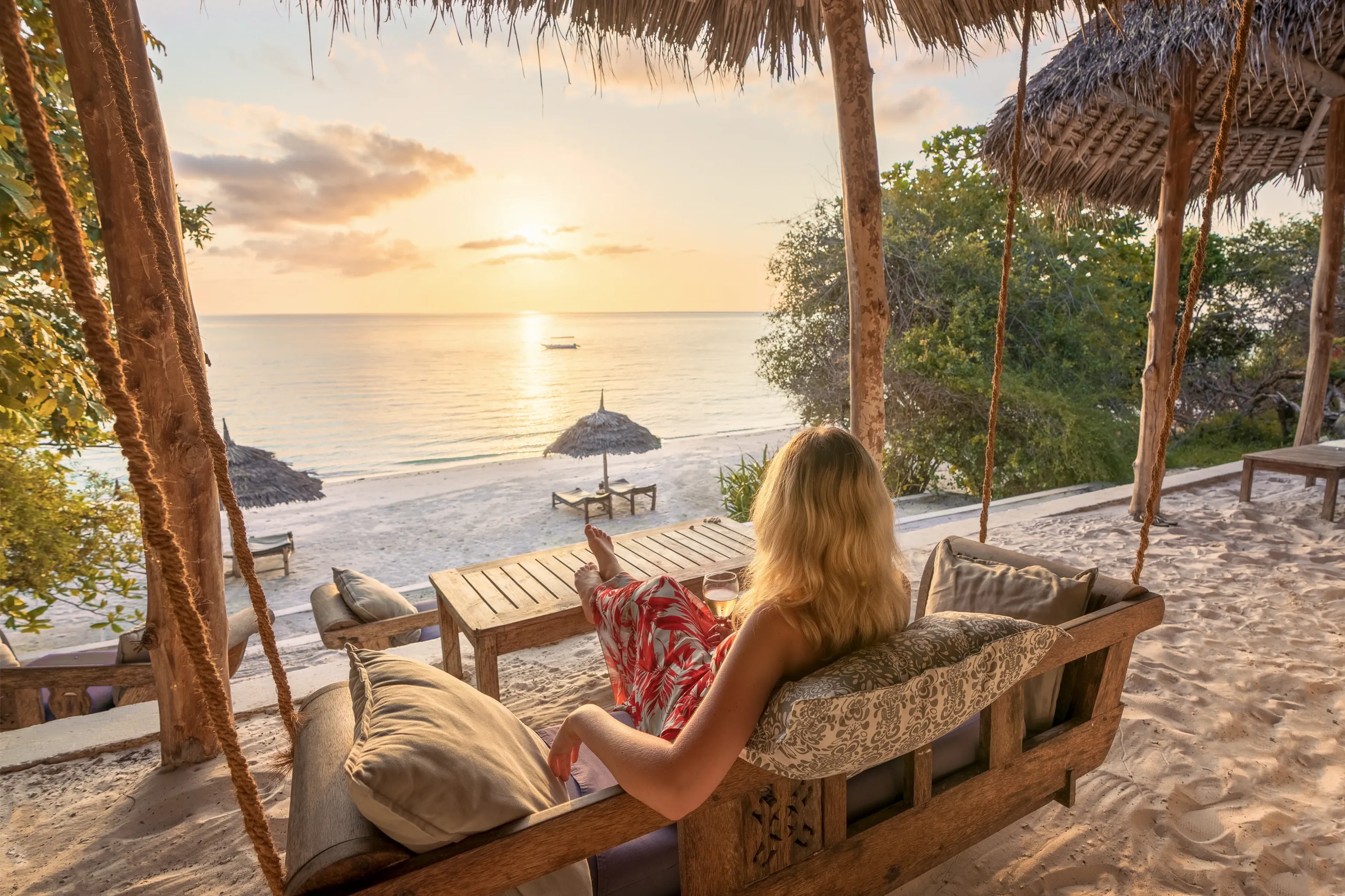
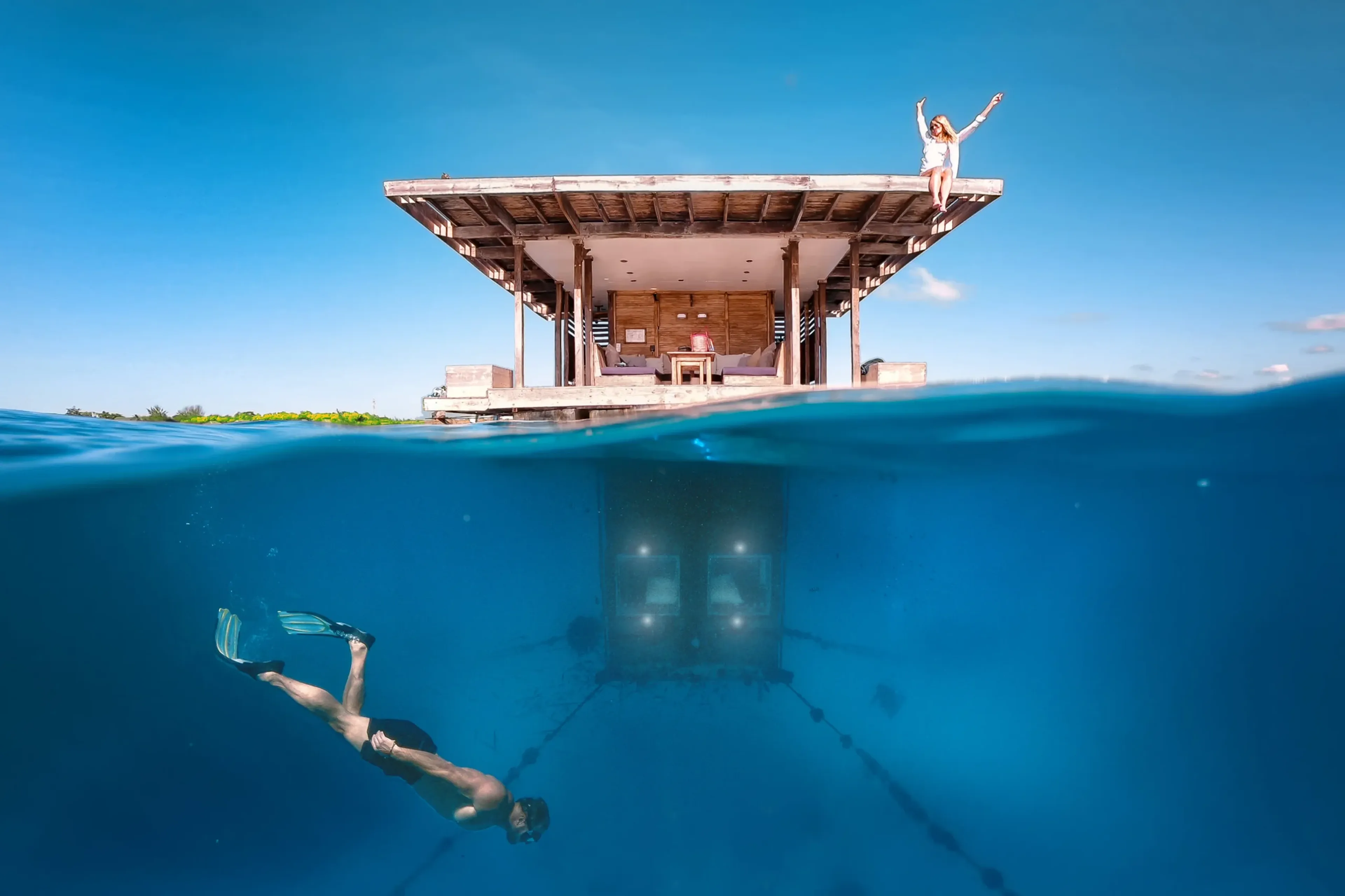
Diving on Pemba Island is fantastic: healthy hard corals, dramatic walls, and stunning coral gardens, all with incredible visibility! Conservation programs have been running since 2006, and the island hosts some of East Africa's best diving and snorkeling spots. Pemba is still pretty much underdeveloped, which adds to its charm! We love the island's virgin beaches and lush hills as well. The eco-resort offers superb accommodation, a super chilled beach bar to watch the sunset, and even an underwater room!
Conservation
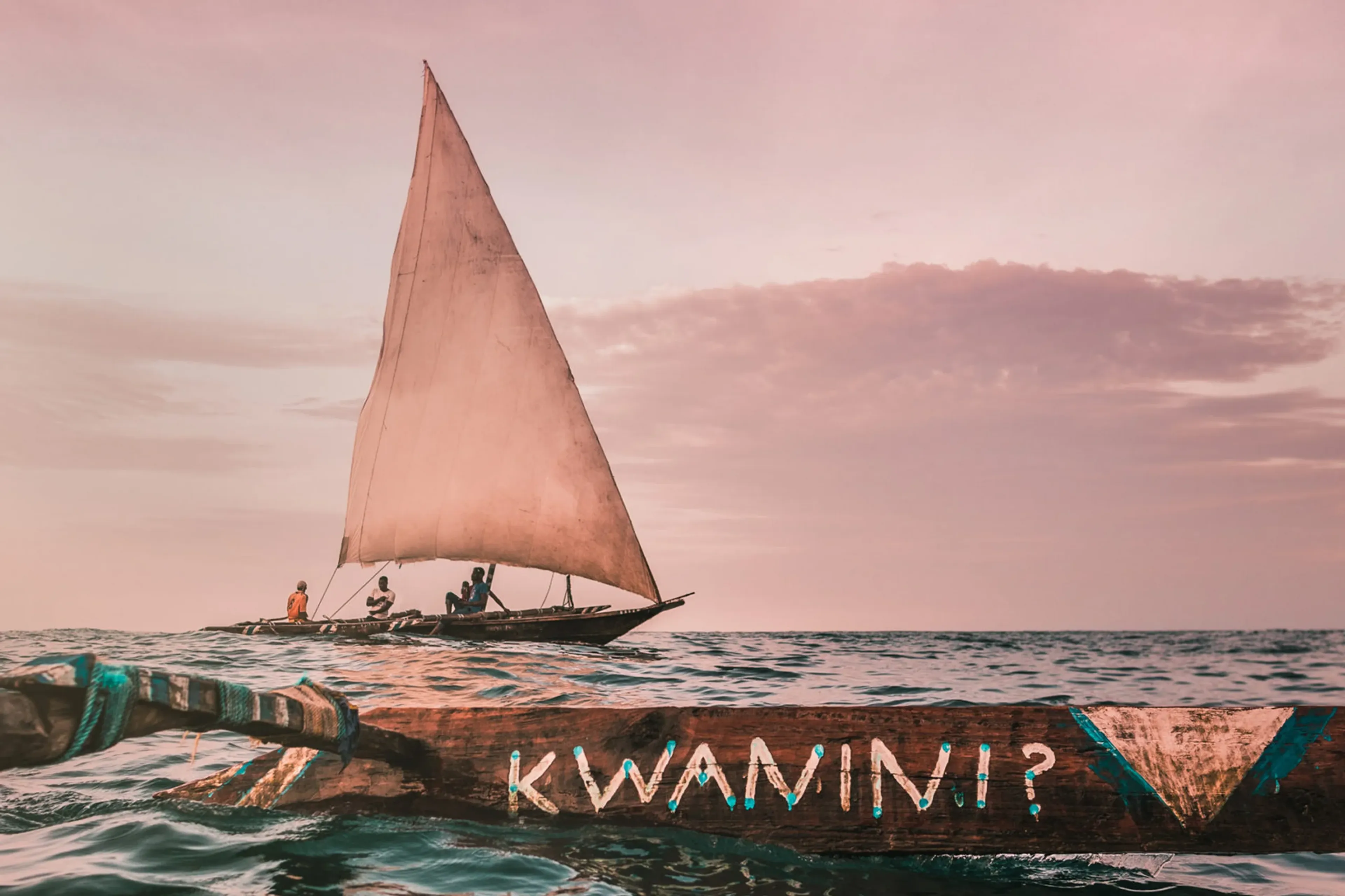
The eco-resort has created the Kwanini Foundation to support marine and land conservation initiatives, involving the local community. One of their achievements has been the creation of a no-take zone called the Kwanini Marine Protected Area (KMPA).
Who Is It For?
For divers who want to escape the crowds, this is a great destination. Snorkelers can also enjoy it, with its shallow coral reefs and incredible visibility. Photographers wanting to take their time will love this destination too.
Prices and Dates
Loading...
Dive Briefing!
Marine Life
-
Pemba hosts various tropical marine habitats, including coral reefs, seagrass meadows, and mangroves. The reefs surrounding the island have been identified as a priority area for conservation by the International Union for Conservation of Nature.
-
The Pemba channel rises towards the island’s west coast in near-vertical walls along many of the reefs. Coral gardens are in spectacular shape, with plenty of colorful fish and some beautiful macro life.
-
In the remote sites of Njao Gap, you'll dive on steep walls with huge overhangs and gorgonian sea fans. Some of the species you can see are Titan triggerfish, Napoleon wrasse, giant trevally, and sometimes white tip reef sharks too!
Dive Conditions
- Season: from July to March, conditions are generally excellent for divers, with little rainfall. In April and May, the resort is closed due to heavy rains.
- Currents: few to moderate in some sites
- Visibility: 30 to 40 m (98 to 131 ft)
- Water Temperature: 24° to 29°C (75° to 84°F)
- Depth: mostly shallow dives
Dive Sites
- 14 dive sites are close to the resort:
- the Swiss reef: 3 dive sites
- Shimba Hills: 2 dive sites
- Shimba Wall
- the Edge: 5 dive sites
- Pole Pole Mountain
- Scorpions Secret
- and the House Reef
- There are 10 more dive sites located further out:
- in Njao Gap: the Coral Garden, the North Wall, the South Wall, the Slipstream, and the Jahazi Reef
- in Fundo Gap: the Mandela Wall, Pinnacle, Coral Garden, the Crack and the South Wall
The Team
- Operation created in 2013
- Number of boats: 2
- PADI 5 stars dive center with 18 years of experience
- Courses up to rescue diver - ask us
- Language spoken: English and Swahili
Safety Information
- Equipment Recommended: a 3mm wetsuit
- Insurance: both dive insurance and travel insurance are mandatory. We recommend DAN Europe that has plans to cover both - ask us for a quote
- Nearest Hyperbaric Chamber: Zanzibar
Visas, Flights, and More!
Visa Requirements
-
You must have a passport valid for at least six months.
-
You might need a visa before traveling. Check on the Tanzania Immigration Services Department's website what is required for your nationality.
How to Get There
- The best way to get to Pemba Island is to take a flight from Zanzibar Airport (ZNZ) or Dar Es Salaam (DAR) to Pemba Airport (PMA) with Auric Air or Coastal Aviation.
- Your eco-resort will pick you up at the airport and you'll be in for a two-hour ride on Pemba dirt roads. They call it the "Pemba massage"!
- Verify the airlines' schedules before you book your international ticket, and always plan for delays.
More...
- Tanzania is subject to malaria, dengue, and chikungunya. Take necessary precautions to avoid them (cover yourself, have mosquito repellent and consult your doctor about taking malarone tablets)
- Bring reef-safe sunscreen, a hat, a rash guard, a sweater or a light-weight jacket, some walking shoes, a mask, and a snorkel
Pemba Island
Tanzania
- Share


Destinations

Right Season

Dive Operators

Booking Fees


