Dive in Darwin and Wolf, Galápagos, With an Unbeatable Value Liveaboard!


Overall Rating


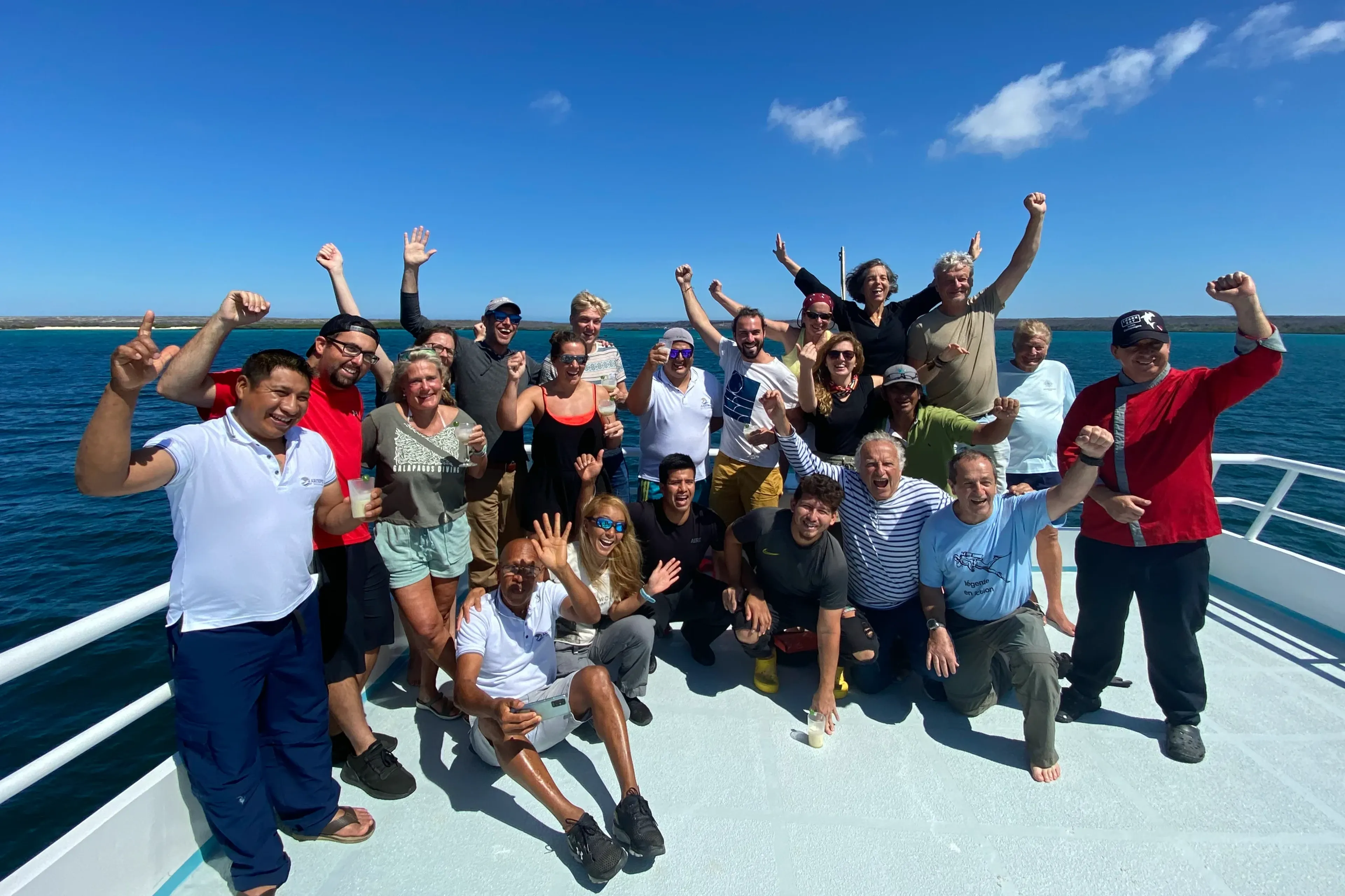
We had an AMAZING trip to the Galapagos onboard the Aqua. I was very hesitant about diving in Galapagos as I have not been diving much since COVID although I do have more than 100 dives, but when I reached out to Isabelle to enquire about the trip, she was super responsive and gave me a lot of information to help me plan my trip. The dive guides are great, and along with the very experienced dive mates you will have on the boat, there is really nothing to worry about. Having said that, I do think that one should have at least 100 dives to feel confident enough for all dives - even when there are little currents, the occasional bad visibility can be a little stressful. The description of the boat made it sound a little basic, but it was actually SUPERB. It was small, but totally comfortable, with sun decks and chill out areas both in and outdoors for after dives. Diving platform was also a good size for 16 divers (we were 14). The food is amazing and the staff really really awesome - the boat also hires only local Ecuadorians. There are room service daily and they change the towels, both in room and at the dive area regularly which is really lovely. Shower is always hot and nice. In terms of diving, we did see big school of hammerheads (perhaps not as much as earlier in the year), but it was hazy on our camera due to thermocline or lower visibility but it was still great. We also saw 2 whalesharks which was awesome, as it is still early in the season (first week of May). Sadly Molas didn't show up but we also did not have super cold waters, mostly around 22°C and probably 17°C at some point, with a lot of cold thermoclines. There were hardly any currents for most of the dives too, although the visibility was probably our biggest struggle. The best part of the trip was the people onboard the boat, as it is the loveliest mix of people from all over the world! We had so much fun together, and the boat space was perfect for all of us to hang out. Other than the land tour on the very last day to see the giant tortoises, the panga rides in/out of the dive sites will also take detours to show us other land wildlife (e.g. blue footed boobies, penguins, flightless cormorants) which was amazing. Definitely my best trip ever! Highly recommended!

My trip to the Galapagos was excellent. From the incredible wildlife to meeting other divers, the group was fantastic, no stress, and the staff was attentive...it was truly perfect. I highly recommend it. And a huge thank you to Isabelle for her professionalism and for all the logistical support I received for my trip...I would do it again in a heartbeat!
Comfortable boat. Top-notch cook. Attentive staff. Friendly and respectful dive guides. A very enjoyable cruise.


Seacrush helped me book my Liveaboard to the Galapagos Last Minute and helped me a lot since it was quite a hassle to get on one! So thank you for that! The communication with seacrush was always very good and helpful! Definitely would recommend them for booking a liveaboard. The Aqua Team and boat itself was lovely. The Dives around the Galapagos Islands were amazing! Would definitely recommend doing it especially with Aqua since it is a local agency!
Cruise on the Aqua, organized by Isabelle and Mickael, who truly took great care of us. The boat is very comfortable, and the crew and food are excellent. Thank you again, Isabelle and Mickael, for this superb week.
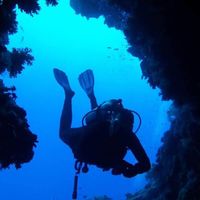
A wonderful week of liveaboard diving. Everything was there for a great time. Magnificent dives, a great crew, and a great atmosphere on the boat.
A magnificent trip on a boat without luxury but comfortable, with a caring crew. Isabelle and Michael created a friendly atmosphere within the (small) group of divers from the very beginning. All of this made the cruise unforgettable!
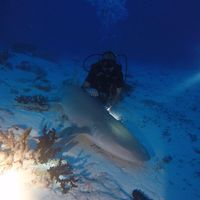
Fabulous landscapes, omnipresent wildlife, a feast for the eyes! The waters were perhaps a little too warm, which prevented us from seeing the "large schools" of hammerhead sharks. Beautiful atmosphere and refined cuisine! A truly wonderful trip!

Beautiful dives, varied and endemic wildlife. A real feast for the eyes. But the molas weren't there! Very friendly atmosphere on the boat and excellent food! A must-do trip!


Great diving experience, crazy marine life! Best food on a live aboard. Nice boat for this price range. Would love to visit again.

An incredible dive experience! I had high expectations of diving in the Galapagos but they were surpassed on the Aqua Explorer liveaboard. We had incredible encounters with a huge range of marine life, guided by two excellent guides who were also naturalists and therefore able to also give us tours of the shoreline. The boat itself was spacious and very comfortable with roomy cabins, more than enough communal space even with a full boat and we were very well look after by the crew - including delicious food with lots of variety and plentiful portions. Overall an amazing trip - book now, you won't regret it!

An amazing adventurous trip to the Galapagos islands aboard the Aqua liveaboard! Diverse landscapes and marine life, excellent service from all the crew (guides, naturalists, dive briefs, chef preparing delicious food, cleanliness of boat etc.).
We took a small group of divers on the Aqua and the week was absolutely fantastic. The itinerary is very well designed, with a few "easy" dives at the beginning, during which we were able to observe oceanic manta rays, our first hammerhead sharks, green and hawksbill turtles, and more. Then three days at Darwin and Wolf. The conditions at Darwin's Arch were so good (with little current, warm temperatures, and excellent visibility) that the crew adjusted the timing slightly so we could do an additional dive there. Finally, more dives at the end of the itinerary during which we saw mola-mola, marine iguanas, and even a cormorant at a depth of 16 meters! The guides are excellent; this is the only dive boat in the Galapagos that employs naturalist guides, and that makes all the difference. Excellent briefings, they know where to go, and between dives, they took us to observe birds, penguins, and iguanas in a Zodiac! Also, during the first dives, the guides really paid attention to everyone's weight, sometimes recommending 15L tanks, and thus, we were all able to have memorable dives without being restricted by air, for example, and while feeling comfortable. On the last day, we were able to go diving and go on land to see the famous giant tortoises from which the Galapagos Islands get their name. Finally, the chef prepares fabulous meals, with a wide variety of dishes (more than 5 for each main course), desserts served at the table, hot soups, and really nice snacks between dives (empanadas, hot chocolate, etc.). One person had a gluten-free diet, and they adapted the menu for her, even creating special desserts! Perhaps it would be possible, however, to limit the individually wrapped snacks? The cabins are simple but comfortable. We always had hot water and appreciated the towels waiting for us on the dive deck. Overall, fantastic dives with a well-organized experience and a motivated and friendly crew! I highly recommend them!

This was our first liveaboard dive for my fiancé and me, still "young divers," with about fifty dives under our belts. We were lucky enough to find Seacrush, and especially Isabelle, who was absolutely brilliant: professional, available, responsive, reassuring, and above all, very friendly, from start to finish. We were very excited but also a little apprehensive. Would we be up to it? Would the conditions (especially the currents) be too difficult? What was life like on board for a week? In short, we had one of the most extraordinary weeks of our lives! - The boat: everything was spotless. We were in a cabin on the lower deck, very comfortable, spacious enough with a small, functional bathroom (and hot water, of course!). The common areas are very pleasant, both inside and out. The area dedicated to diving preparation and equipment is well thought-out and practical (with hot showers too!!). Finally, the food is very, very good, with always a hot drink and snacks after the dives. So I come to... - The team: fantastic! Professional, cheerful, friendly, they pampered us all week! And of course, a big congratulations to the dive guides who were perfect. Their naturalist training allowed us to learn a lot, a real plus. - The dives: what can I say... magnificent, marvelous, and unimaginable? At least all that and much more. A unique ecosystem in the world, very rich, very varied, very beautiful. (I won't spoil anything). And regarding the conditions, ultimately, we may have been lucky because they were good, but even the strong currents didn't "cool us off"! In short, it's doable, with a minimum level of skill required. In short, although the fantastic divers who shared this week with us are largely responsible for the success of this cruise, we can only recommend Seacrush and Aqua with our eyes closed, you will not be disappointed!


A magnificent diving trip with a professional and environmentally friendly team. We were impressed by the crew's friendliness, the guides' professionalism, and the quality of the excursions.
Why We Love It
Dive for 7 days on the best dive sites of the archipelago and see schools of hammerhead sharks at Darwin's Arch, Galápagos sharks, eagle rays at Wolf Island, giant manta rays at Cabo Marshall, schooling fish in the thousands, Galápagos endemic sea iguanas, speedy penguins, and sea lions. With only 16 divers on board, and 11 dives at Darwin and Wolf, this is the best value liveaboard in the Galápagos!
Conservation
This liveaboard is committed to following the Green Fins guidelines for responsible diving and provides ecological soap and shampoo on board.
Who Is It For?
This liveaboard is for passionate and experienced divers. The strong currents attract pelagic species, making most sites quite challenging. A minimum of 50 logged dives is required.
Prices and Dates
Loading...
Dive Briefing!
Marine Life
- The Galápagos Marine Reserve, established in 1998, is the second-largest marine preserve in the world.
- The Marine Reserve has been a UNESCO World Heritage Site since 2001 (an expansion from the Galápagos National Park, which was recognized in 1978).
- Located at the confluence of three ocean currents, the Galápagos are a "melting pot" of marine species - the extraordinary diversity of marine life is unmatched anywhere else in the world.
- Nearly 20% of marine life in the Galápagos is endemic, found nowhere else on earth, such as the world’s only marine iguana and the most northerly-living penguin.
- Due to the island's topography, pelagic species such as tuna, manta ray, and hammerhead shark can be seen extremely close to the shoreline.
- The diversity of underwater terrain is exceptional and cannot be found anywhere else in the world.
Dive Conditions
- Season: December to May is when manta rays are more commonly sighted. It is the warmest season, but daily rain showers and cloudier skies should also be expected. June to November is when the Humboldt current comes up from the south, bringing with it plankton and making this the best time to see whale sharks. Cooler temperatures with occasional showers should be expected.
- Currents: medium to strong
- Visibility: 10 to 20 m (30 to 66 ft)
- Water Temperature: 23° to 29°C (73° to 84°F) from December to May and 22° to 27°C (72° to 81°F) between June and November, with some thermoclines.
- Depth: shallow and deep dives
Dive Sites
- On a typical day, we offer up to 4 dives, totaling 19 dives on 5 different islands of the Galápagos!
DAY 1: Tuesday
- Morning: pick-up from Baltra Airport (GPS) at 11 am
- Afternoon: North Seymour, Baltra Island (Check Dive)
DAY 2: Wednesday
- Morning: Cabo Marshall, Isabela Island (2 dives)
- Afternoon: Manta Ray City, Isabela Island (1 dive)
DAY 3: Thursday
- Morning: Darwin's Arch (2 dives)
- Afternoon: Darwin's Arch (2 dives)
DAY 4: Friday
- Morning: Darwin's Arch (2 dives)
- Afternoon: Wolf Island (2 dives)
DAY 5: Saturday
- Morning: Wolf Island (2 dives)
- Afternoon: Wolf Island (1 dive)
DAY 6: Sunday
- Morning: Vicente Roca Point, Isabela Island (1 dive)
- Afternoon: Cape Douglas, Fernandina Island (1 dive)
DAY 7: Monday
- Morning: Cousin's Rock, Santiago Island (2 dives)
- Afternoon: Tour of Highlands in Santa Cruz to see the giant tortoise and lava tunnels
DAY 8: Tuesday
- Morning: Transfer back to Baltra Airport at 9 am (GPS)
The Team
- Dive operator in the area since 2008
- Boat renovated in 2019
- Languages spoken: English, Spanish
- Maximum 8 divers per guide
Safety Information
- Equipment Recommended: a 7 mm long wetsuit, a hood, dive gloves, an SMB, a reef hook, and the usual diving equipment. All can be rented on board.
- Insurance: Both dive insurance and travel insurance are mandatory. We recommend DAN Europe, which has plans to cover both - ask us for a quote.
- Nearest Hyperbaric Chamber: Puerto Ayora on Santa Cruz Island
Visas, Flights, and More!
Visa Requirements
- You must have a valid passport to enter Ecuador, and a return ticket
- Most citizens do not require a visa to stay in Ecuador for up to 90 days
- Ensure your passport is valid for at least 6 months beyond the period you intend to stay
- Please check current visa policies that apply for your country on Ecuador Virtual Consulate
How to Get There
- You need to go to Guayaquil (GYE) or Quito first, at the Mariscal Sucre International Airport (UIO) in Ecuador.
- Plan to arrive in Ecuador at least one day before the cruise departure.
- The following day, take a domestic flight from Quito to Seymour Airport (GPS) in Baltra Island.
- In all cases, we recommend spending an additional night before the cruise in Santa Cruz Island in Galápagos to ensure you don't miss any connections and are well-rested before diving.
More...
- Bring reef-safe sunscreen, a hat, mosquito repellent, and long clothing (dengue is present in the Galápagos).
- December to May has an average daytime air temperature of 23° (73°F) with daily rain showers and cloudier skies.
- June to November is drier, but with cooler temperatures - an average of 21° (70°F) - with local rain showers generally confined to the highlands of the larger islands. Evening temperatures can drop to just 15° (59°F) , so bring extra trousers, jumpers, and a windbreaker.
Galápagos Archipelago
Ecuador
- Share


Destinations

Right Season

Dive Operators

Booking Fees


